
BATON ROUGE - LSU will have an opportunity to get back on track Saturday when Mississippi State visits Tiger Stadium for an SEC matchup that carries plenty of importance for both teams. The Tigers are coming off a disappointing 35-34 overtime loss to Kentucky, a game that left little room for error as they continue working toward their postseason goals. Mississippi State, meanwhile, enters the matchup at 4-1 after a bye week, looking to respond to a 56-23 loss to Alabama. LSU is 4-2 on the season and 1-2 in SEC play, while the Bulldogs are 4-1 overall and 2-1 in conference action. With both teams looking to make a statement, Saturday presents an important opportunity for the Tigers to protect their home field. LSU's Offense Has an Opportunity to Get Back on Track Quarterback Sam Leavitt and the LSU offense will be one of the biggest storylines heading into Saturday's game. The Tigers have been productive offensively, averaging approximately 525 yards per game. Leavitt has thrown for 1,496 yards and 10 touchdowns, while also providing a running threat with seven rushing touchdowns. However, turnovers have been an issue, with Leavitt throwing eight interceptions this season. LSU cannot afford to give Mississippi State extra opportunities, particularly with the Tigers looking to regain some consistency after the loss to Kentucky. The Bulldogs have struggled against the pass, allowing 247.4 passing yards per game. That could create opportunities for Leavitt to attack through the air, especially if LSU can establish its running game and keep Mississippi State's defense from focusing entirely on the passing attack. Mississippi State's Quarterback Situation Bears Watching Mississippi State's offense could look different depending on the availability of quarterback Kamario Taylor, who is listed as questionable with a lower-body injury. Taylor has been one of the Bulldogs' most important players, leading an offense that has averaged 487 yards per game. His status will be worth monitoring leading up to kickoff. Running back Fluff Bothwell is also questionable after suffering an injury against Alabama. If either player is unavailable, Mississippi State could have to rely more heavily on its depth. Wide receiver Anthony Evans III remains an important player to watch. He has recorded 40 receptions for 574 yards and five touchdowns, making him a key target for the Bulldogs. Defense and Turnovers Could Decide the Game LSU's defense will need to take advantage of any uncertainty surrounding Mississippi State's offense. Forcing the Bulldogs into difficult third-down situations and limiting explosive plays will be important, especially early in the game. The Tigers also need to finish drives. Moving the ball between the 20-yard lines is encouraging, but converting those opportunities into touchdowns is what separates productive offenses from winning ones. LSU has won the last three meetings between these programs, including a 41-14 victory in 2023. The Tigers will look to continue that trend Saturday. Prediction LSU has the offensive talent and home-field advantage to win this matchup, but the Tigers must play with greater consistency. Protecting the football, establishing the run and taking advantage of Mississippi State's passing-defense struggles should be priorities. After a frustrating loss to Kentucky, LSU needs a complete performance. Saturday is an opportunity to show that the Tigers can respond to adversity and keep their SEC season moving in the right direction.
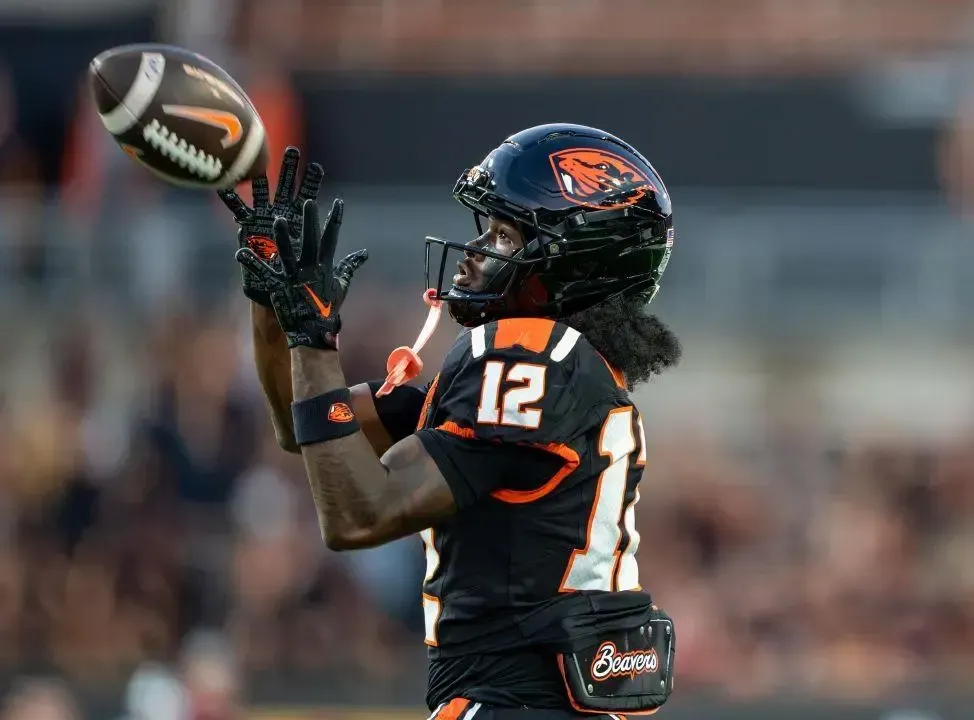
We are almost a month out from my last college football player buzz article and more players have gained some buzz and piqued my interest. Jesse Legree (WR) 5’10 172 pounds - Oregon State - Freshman Jesse Legree is having a breakout freshman season for the Oregon State Beavers in their first season of the new Pac-12 conference. He is currently the leader in all of college football in receiving yards with 932 and touchdowns with 12 thus far on the season. He has gone nuclear especially the last two weeks as he combined for 347 receiving yards and 6 touchdowns. Legree is a big play waiting to happen and watching his performance against SDSU last weekend I can tell you the Aztecs had no answer for Legree. He should have a bright future ahead of him. Nick Marsh (WR) 6’3 210 pounds - Indiana - Junior Nick Marsh had a tantalizing start to his football career at Michigan State before transferring to Indiana over the summer to better show off his skillset. He got off to a slow start this season but has found his form the past two weeks as he produced over 300 receiving yards and 3 touchdowns. Marsh is a smooth mover at his size and does a great job of making some acrobatic, highlight reel level catches for his quarterback. Should he keep this positive momentum from the past two weeks for the rest of the season Marsh will probably hear his name called early in the next NFL Draft. Isaac Brown (RB) 5’9 190 pounds - Louisville - Junior Isaac Brown is your classic home run hitting running back where he can break off a long run on any given play with his game breaking speed at the position. Brown was another player who got off to a slow start this season but has rebounded quite nicely the past two weeks as he has combined for over 350 rushing yards and 3 touchdowns. Brown will get interest from the NFL scouting community as his skillset is always in demand at the next level. Jamal Roberts (RB) - 6’0 216 pounds - Missouri - Senior Jamal Roberts has done more than his fair share of shouldering the load on offense for Missouri in the absence of Ahmad Hardy this season. Roberts is second in both carries and rushing yards this season 828 rushing yards thus far on the season while averaging 5.6 yards per carry. But the last two weeks Roberts has completely taken over for Missouri as he produced over 430 rushing yards and 5 rushing touchdowns. He’ll be someone to watch the rest of the way this season as I am quickly becoming a fan of his. Ashton Hampton (CB) - 6’2 205 pounds - Clemson - Junior Ashton Hampton has been getting early round buzz for the NFL Draft for a while now and while Clemson has disappointed this season Hampton has been doing his part as he is currently the leader for passes defended in college football. It is easy to see why scouts are enamored with Hampton with his size and length for the position. You’d like to see more interceptions than what Hampton has had in his career but there is no denying the talent he possesses. He will be one to watch down the stretch this season as he continues to solidify his draft stock. Xavier Gilliam (DT) - 6’2 305 pounds - Tennessee - Sophomore Xavier Gilliam is one of the latest standout defensive lineman to breakout for Tennessee as he has 5 sacks on the season with the last two coming against Texas and Arkansas respectively. Gilliam is quick out of his stance and has great reaction skills to alter his rush depending on what the offensive line is doing. He is just scratching the surface of what he can do as a player and he is going to be a fun player to follow the rest of the season as he could shoot up draft boards if he continues to perform like this. Clev Lubin (Edge) - 6’3 260 pounds - Louisville - Senior Clev Lubin is an experienced edge defender for Louisville and has had a great career thus far. This season Clev is picking up where he left off last season as a terror for opposing offenses off the edge. He has a deep bag of pass rush moves he likes to use and understands how to alter his rush at various points to make the most impact as possible. He is also a complete player who can play on all three downs thanks to how well he can play against the run. Clev has been on the NFL scouting community’s radar for a while now and figures to hear his name called in the upcoming NFL draft. In the meantime he is someone I will be following for the rest of the year as he is always a fun watch.
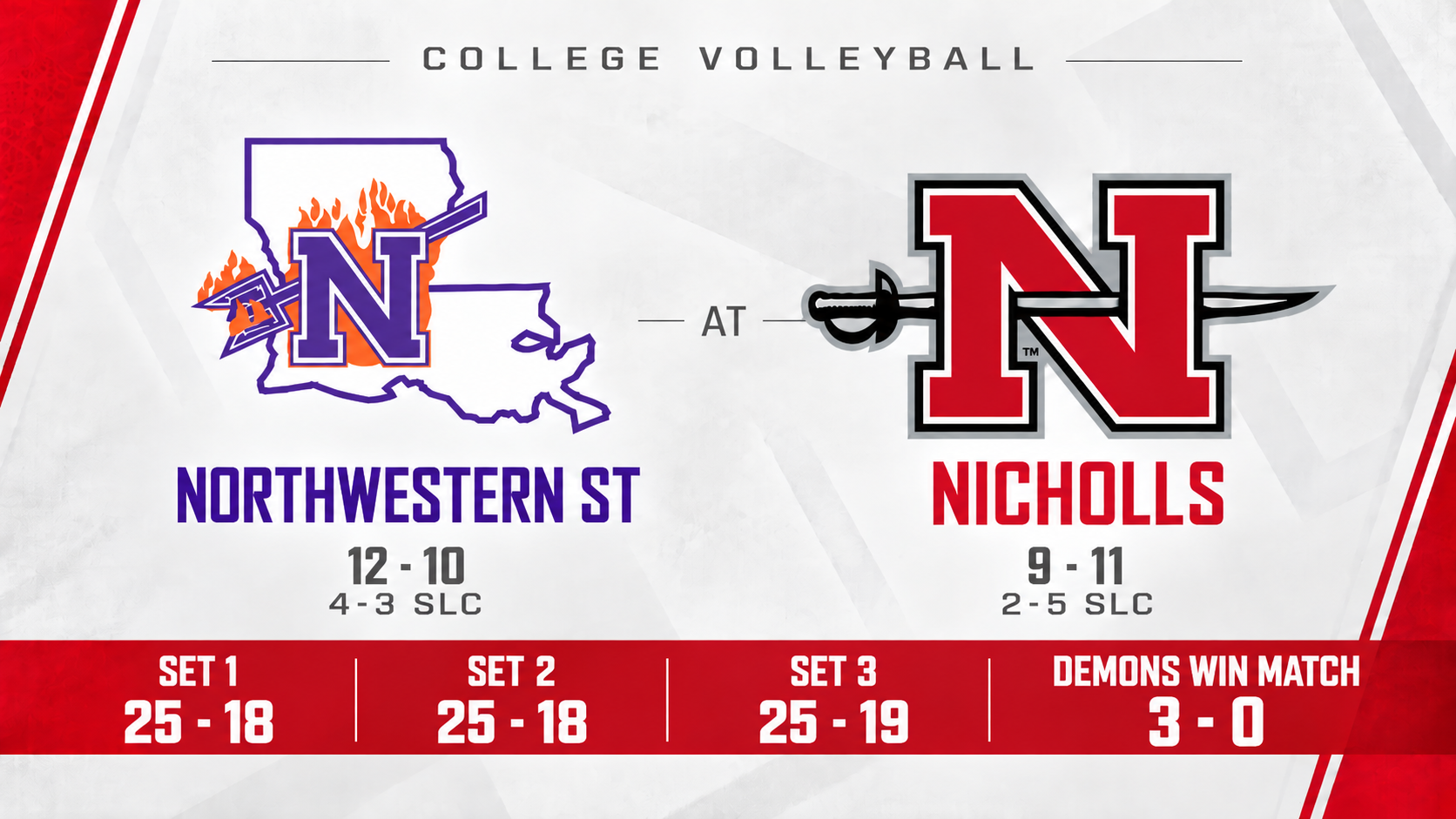
Lady Demons take advantage of Nicholls' offensive struggles to earn a straight-set Southland Conference victory in Thibodaux.
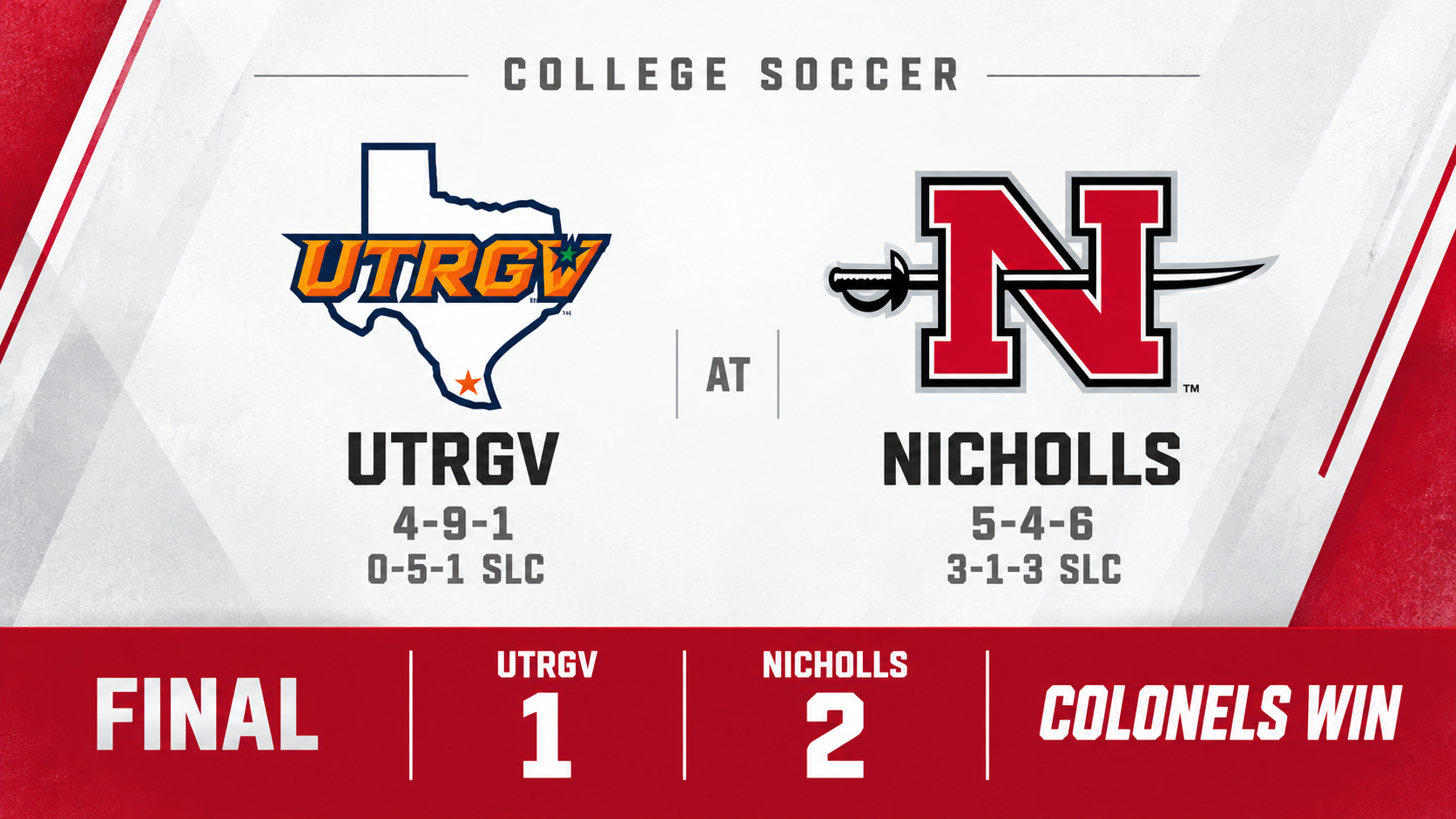
Colonels pick up an important road victory in Edinburg as Alyssa Wheeler delivers the game-winner in the 79th minute.
Get Ready For Your Laketown Squadron, RIGHT HERE IN LOUISIANA!

Warhawks look to snap 2026 streak as they host rival Bulldogs
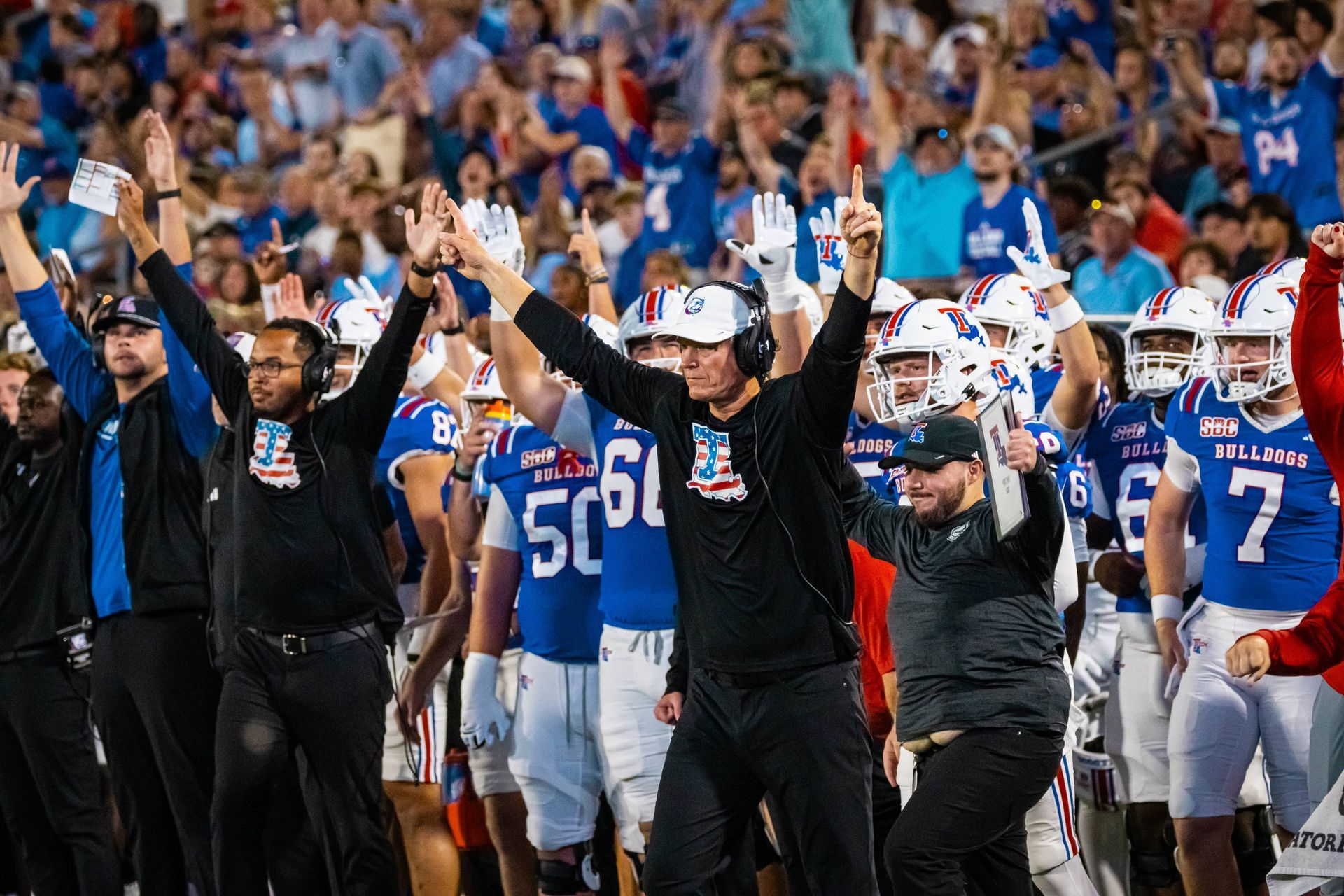
Louisiana Tech triumphs over the Ragin' Cajuns 32-31
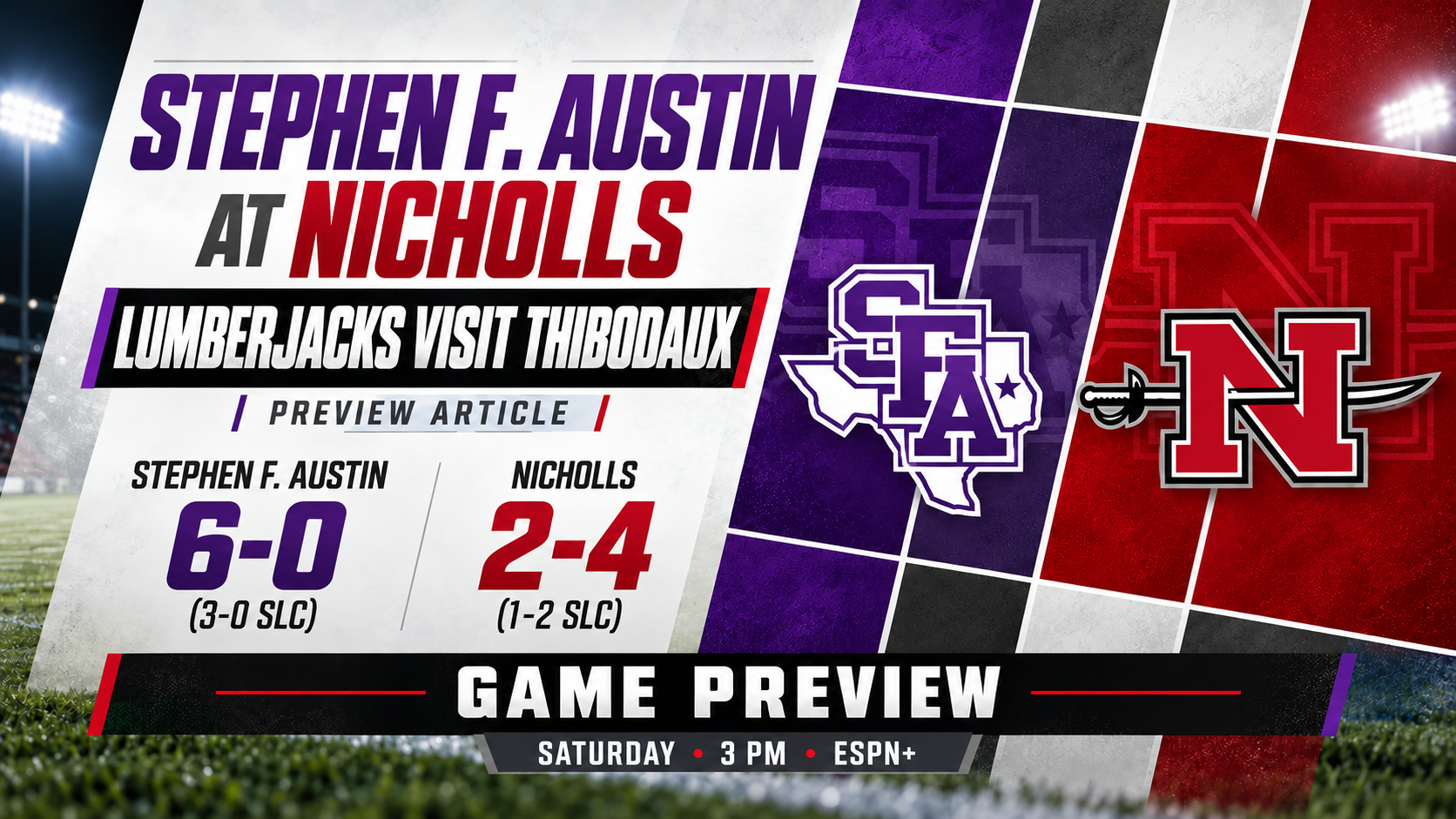
The Colonels return from their bye week looking to turn their season around as one of the top teams in the FCS travels to Thibodaux for a Southland Conference showdown.